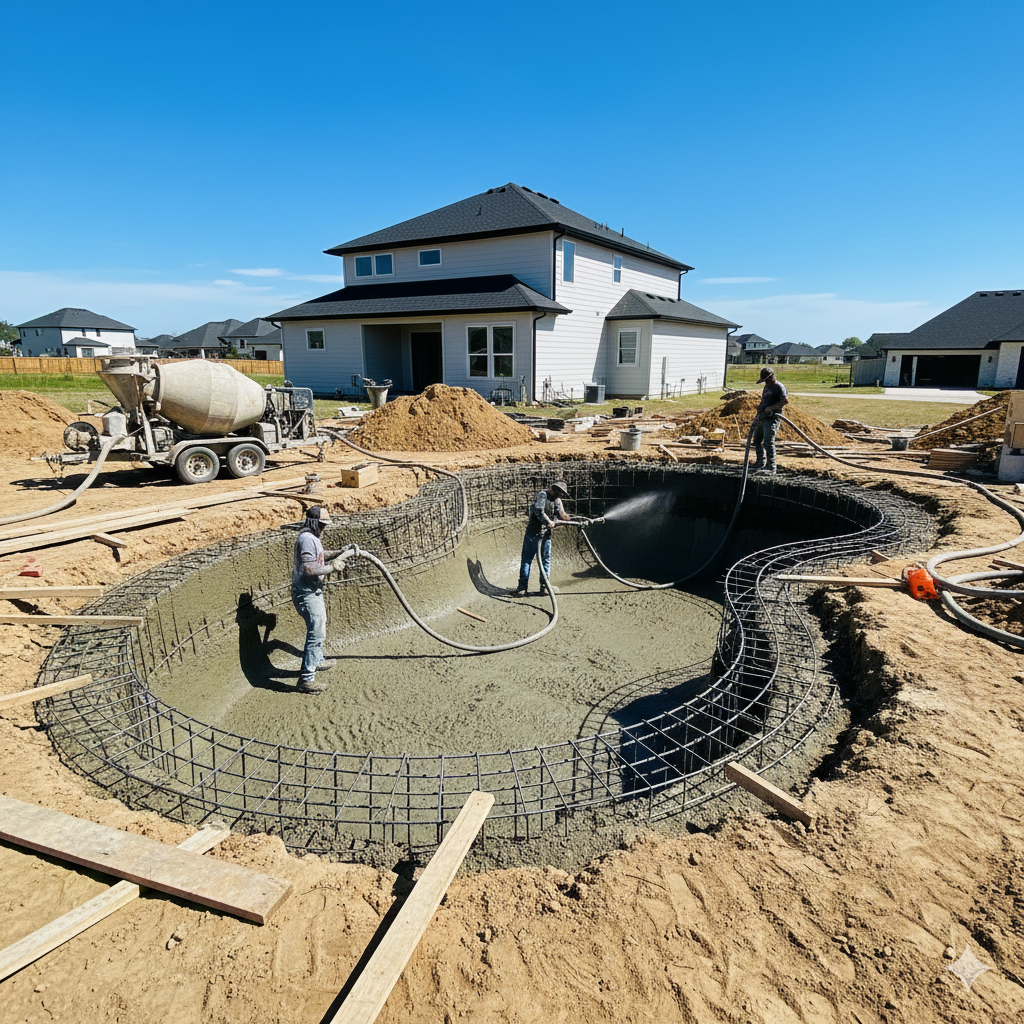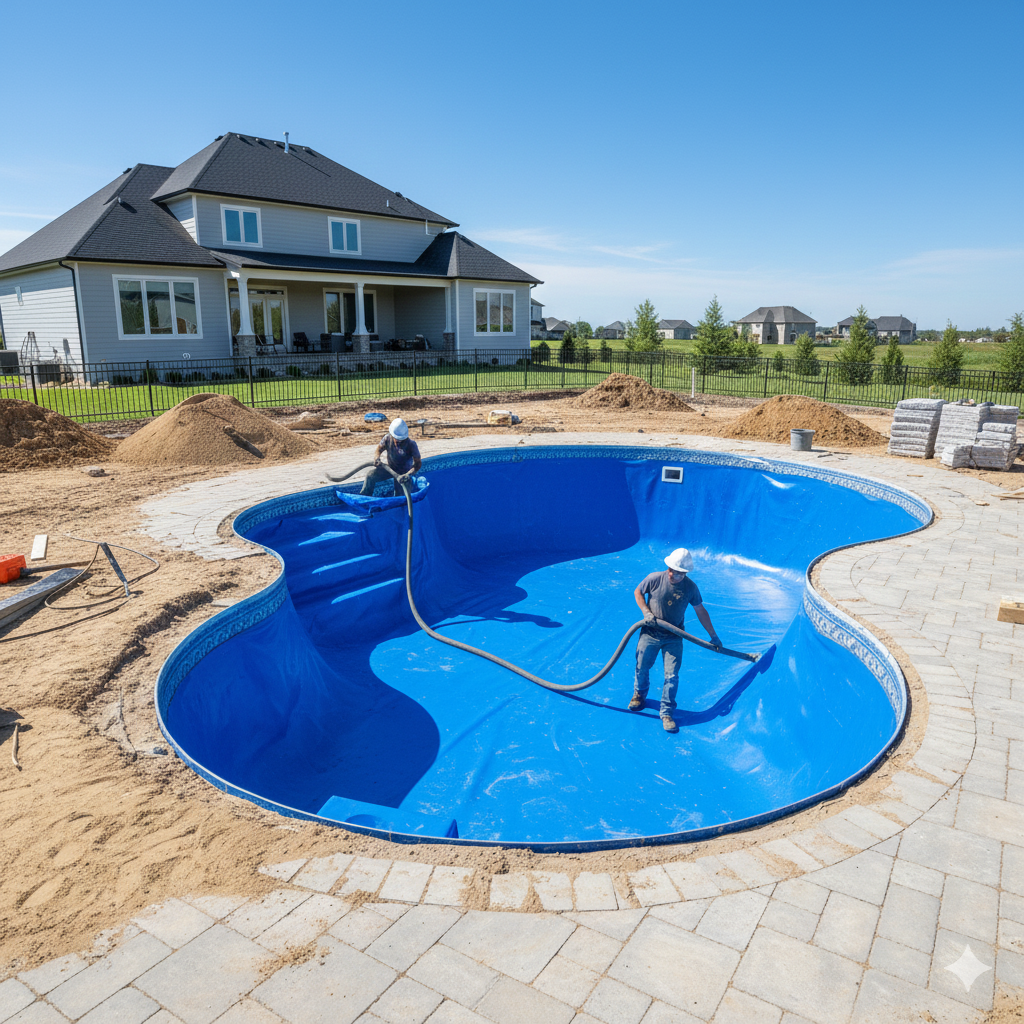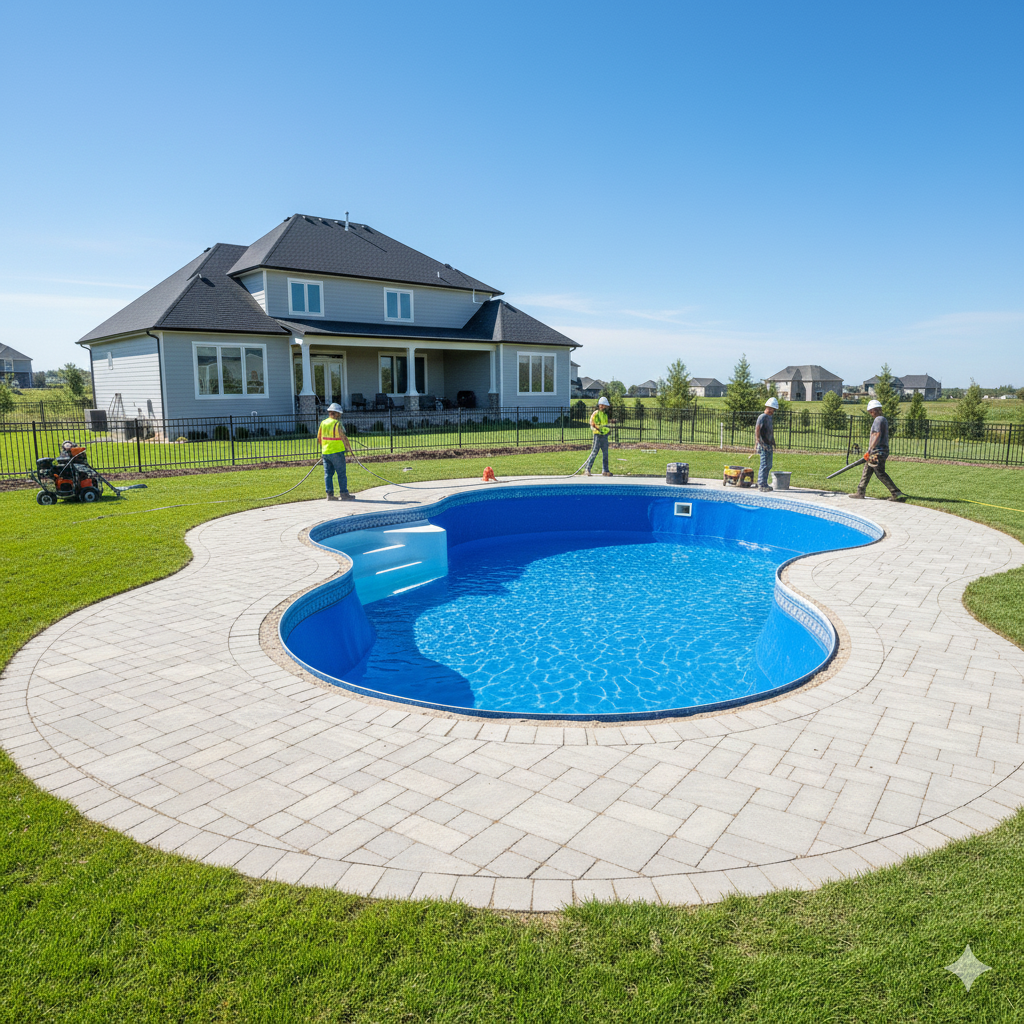


How long does it take to install an above-ground pool? For most homeowners working with experienced professionals at DSH Homes and Pools, a standard above-ground pool installation is typically completed within one to two days when site conditions are favorable and permits (if required) are in order.
This guide expands on that headline timeline with a step-by-step walkthrough, real-world examples and processes drawn from DSH Homes and Pools’ above-ground installation service, practical site-prep tips, common delays, cost and equipment considerations, local permitting guidance, and a full FAQ section that answers the most frequently asked questions homeowners in Dallas–Fort Worth and nearby North Texas communities ask before buying and installing an above-ground pool.
Why timeline clarity matters
Knowing the realistic time it takes to install an above-ground pool helps you plan yard access, coordinate landscaping or deck work, schedule delivery and installation crews, and avoid surprises that delay swimming readiness. DSH Homes and Pools advertises that most above-ground pool installations are completed within one to two days, which sets a useful expectation for homeowners planning backyard projects.
Overview of the typical 1–2 day installation window
DSH Homes and Pools states that most above-ground pool installations are completed within one to two days, depending on site conditions and pool size. This one- to two-day range represents the on-site assembly and startup work performed by trained crews and assumes a prepared, reasonably level site and timely delivery of materials.
The one- to two-day window is realistic for many models of above-ground pools because the kits include prefabricated walls, uprights, and liners that fit together quickly compared with in-ground excavation, curing, and complex plumbing tasks. DSH’s service page highlights this faster schedule as one of the main advantages of choosing an above-ground solution from a professional builder when time and budget are important considerations.
Detailed day-by-day breakdown (what happens during those 1–2 days)
Day 0 — Pre-install preparation (what you should do before installers arrive):
- Confirm delivery timing and access points for the pool kit, equipment pad, and pump system.
- Clear furniture, lawn equipment, and vehicles from the work area and any access routes to the backyard.
- Mark property lines, underground utilities, and any sprinkler heads or irrigation lines so the installation crew can avoid them.
- Verify ground area is reasonably level—if not, plan for grading or a compacted base (see site-condition scenarios below).
Day 1 — Site set up, leveling, and frame assembly:
- Site arrival and brief walk-through: the crew reviews the plot, confirms the layout, and finalizes safety and access considerations.
- Base preparation: installers verify or create a level base using compacted soil, sand, or a prepared pad; for some installs this may involve a more extensive sub-base or a concrete/compacted stone pad if requested or required by local code or the equipment manufacturer.
- Frame erection: ring wall or uprights are assembled, anchored, and checked for level; wall sections are installed and secured according to manufacturer specifications.
- Liner installation: technicians place and smooth the liner and attach it to the top rails and wall system; small wrinkles may remain until the pool is filled and the liner settles.
Day 2 — Final plumbing, filtration, electrical hookup, filling, and testing (if required):
- Equipment installation: pump, filter, skimmer, hoses, and basic plumbing are connected and sealed. If an electrical outlet or dedicated circuit is required, the crew either connects to an existing circuit or coordinates with an electrician to complete the final connection.
- Leak and function testing: the team pressures lines, checks valves, and runs the pump and filter system to confirm operation.
- Filling: pool filling commonly begins on day two; depending on municipal water pressure and meter restrictions, filling may take several hours to a day.
- Water chemistry start-up: technicians add initial sanitizers and balance chemicals to protect the liner and equipment and provide a safe start-up. They explain the testing schedule and maintenance basics the homeowner should follow in the first 72 hours and beyond.
Site-condition scenarios that lengthen the install time
Although DSH Homes and Pools advertises a one- to two-day installation window, several site-specific factors can extend that timeline. Being aware of these ahead of time helps set accurate expectations:
- Uneven or sloped yards: If the chosen location is significantly sloped or requires substantial grading, installers may need to spend extra time creating a level, compacted base. Depending on the amount of earthwork, grading and compaction can add a day or multiple days and possibly require heavy equipment rentals or subcontractors.
- Rocky or clay-heavy soil: North Texas clay soils or rocky subgrades sometimes demand more aggressive base preparation and compaction. Where special base materials (crushed stone, gravel) or geotextile fabrics are required, the crew may need additional time to install those layers correctly.
- Obstructed access: Narrow gates, steep driveways, or unexpected obstacles can delay delivery and assembly. Moving materials by hand around obstacles can add hours or a day to the process.
- Electrical or plumbing complications: If a new dedicated circuit, GFCI protection, or deeper outlet routing is required, coordination with a licensed electrician can delay final startup until the electrical work is complete.
- Permits or HOA approvals: While many above-ground pools don’t require the same extensive permitting as in-ground pools, some municipalities or homeowners associations (HOAs) require permits or approvals that must be secured before installation; waiting for approvals will add whatever lead time the municipality or HOA needs.

Permits, code considerations, and when DSH coordinates approvals
DSH Homes and Pools states on their above-ground pool service page that they coordinate necessary permits when required, helping homeowners avoid permit delays and compliance issues. This is important because local rules vary: some cities require permits for any pool above a certain capacity or depth, fence and barrier inspections, or specific electrical work. Having DSH assist with permit coordination reduces the chances of a permit-related pause in the project timeline.
Typical permit-related tasks include verifying setbacks from property lines, confirming barrier and fence requirements, ensuring pumps and electrical work comply with code, and scheduling municipal inspections if required. Even when a permit isn’t required, DSH’s knowledge of local North Texas regulations helps homeowners stay compliant with HOA and municipal rules.
Equipment, materials, and staging considerations that affect speed
Choosing the right pool kit and accessories impacts installation speed:
- Simple kit packages: Basic above-ground pools with standard frames, single-piece liners, and minimal decking or accessories typically go up fastest and are well-suited to the 1–2 day install timeline.
- Complex add-ons: If you add built-in decking, multi-level decks, permanent equipment pads, heaters, or advanced automation, each of these features increases labor and coordination time and may require subcontractors (carpenters, electricians), adding days to the schedule.
- Delivery lead times: Lock in delivery windows early. Some specialty pool sizes or finishes might have manufacturer lead times; DSH coordinates deliveries so the installation crew can work efficiently once materials arrive.
Real-world examples and experience from DSH Homes and Pools
DSH’s service page highlights that above-ground pool installations are typically completed within one to two days and that the company coordinates permits and site logistics to minimize delays. Drawing on DSH’s model, here are typical case scenarios the company handles:
- Quick backyard refresh in a residential lot: Homeowner in a single-family neighborhood near the Dallas Arboretum chooses a standard 18′ above-ground kit; DSH prepares the base on day one and assembles and fills the pool on day two. Total on-site work: two days.
- Sloped yard requiring sub-base work: A home near White Rock Lake requires minor grading and compacted stone underlay due to slope; DSH schedules an extra half-day of earth-moving and uses a compacting plate to stabilize the base; the rest of the assembly follows with an additional half day. Total on-site work: three days spread across two crew visits.
- Accessory-rich install with decking: Customer in a Plano neighborhood wants a partial deck and electric heater; DSH coordinates framing and a licensed electrician; the base and shell are completed in two days, with decking and electrical finishes scheduled as a follow-up one-week appointment. Total coordinated project time: initial pool install in two days, finishing work over subsequent days.
How DSH establishes EEAT (experience, expertise, authoritativeness, trustworthiness)
DSH Homes and Pools builds trust through transparent service descriptions and coordination of permits and logistics for above-ground installations. The company’s above-ground pool page clearly communicates the expected installation timeframe of one to two days, identifies permitting coordination as a part of service delivery, and positions itself as a builder that manages site-specific challenges for North Texas yards. For homeowners, that clarity on timing and coordination demonstrates practical experience and professional workmanship.
When selecting a contractor, verify credentials, ask for project photos and references, and confirm whether they will manage permits, inspections, and any required licensed trades (electrician) — the same kind of transparency DSH highlights in its service descriptions.
Preparing your property for the fastest install
- Choose a level location with good access and 10–15 feet of clear work area around the pool for safe assembly.
- Confirm there are no underground utility conflicts in the intended footprint — request a utility locate if you’re unsure.
- Clear trees or low-hanging branches that could interfere with delivery or assembly.
- Plan for a water source nearby for filling or coordinate a refill strategy if municipal watering limits exist.
- Coordinate with DSH about GFCI-protected circuits and whether you’ll need a licensed electrician on-site for final hookup.
Local, hyperlocal considerations for DFW and North Texas homeowners
DSH Homes and Pools operates in North Texas and markets services to cities and neighborhoods across the Dallas–Fort Worth metroplex. If you live near neighborhoods like Lakewood, Lake Highlands, Uptown Dallas, Plano’s Willow Bend area, or Richardson near the University of Texas at Dallas, DSH’s local experience with clay soils and municipal regulations helps speed up projects because they have familiarity with common permitting processes, typical soil conditions, and access patterns near major arteries like the Dallas North Tollway or US-75 Central Expressway.
Local landmarks and features DSH crews routinely work around include White Rock Lake, the Dallas Arboretum and Botanical Garden, and the parklands around Lewisville Lake. When installing pools near references like White Rock Park or in subdivisions around Highway 75 interchanges, crews account for drainage patterns, tree canopy, and neighbors’ setback expectations—factors that can influence how quickly an above-ground pool can be installed.
Common reasons installs are faster with a professional vs DIY
- Experience and sequencing: Professionals know the order of operations to install wall panels, liners, skimmers, and filtration quickly and safely.
- Equipment and crew size: A trained crew brings the right tools, jigs, and manpower to keep assembly within a one- to two-day window.
- Permit handling: Experienced pool contractors coordinate local permit and inspection requirements so installations are not delayed by unexpected compliance issues.
- Warranty and quality control: Professionals often provide workmanship warranties and perform system start-ups to verify water chemistry and pump function.
Budget planning and how timeline affects cost
Choosing an above-ground pool typically reduces the timeline and often the installed cost relative to in-ground alternatives, though total project cost depends on the pool size, accessories, site prep, and any necessary electrical work. When DSH advertises a one- to two-day installation, that shorter timeline can reduce labor costs, minimize backyard disruption, and speed up time-to-enjoyment.
Upgrades such as decking, permanent equipment pads, heaters, or automation will increase both installation time and cost. Plan your budget with separate line items for site prep, electrical work, decking, and the pool kit so that you can clearly see which choices affect timeline and price.
What to expect after installation
- The installer will run the pump/filter and perform a basic water chemistry start-up, providing you with an initial test kit or instructions for follow-up testing.
- Allow the liner to settle for 24–72 hours after the water level reaches the recommended height before you begin regular use; DSH’s standard process ensures the liner is smoothed and the system has been tested during the install.
- Follow the recommended maintenance schedule for filter backwashes, chemical testing, and winterization if applicable in your neighborhood.
How DSH documents work and provides trust signals
DSH Homes and Pools’ site demonstrates trustworthiness by describing their services clearly, stating realistic timelines for above-ground installs (one to two days), and emphasizing permit coordination. For homeowners seeking verification, DSH can provide project photos, references, and documented start-up checklists on request, and they coordinate any required inspections and licensed trades to finish the job correctly.
Practical checklist for homeowners to keep your install within 1–2 days
- Confirm delivery date and arrival window for the pool kit.
- Clear and level the chosen area; request a utility locate if uncertain about underground services.
- Ask DSH to verify whether a permit or HOA approval is required; if so, start that process early.
- Reserve a dedicated circuit or confirm an electrician’s schedule if final electrical hookup is needed.
- Arrange for water delivery or verify municipal water pressure/availability for faster filling.
- Plan for staging and storage of packaging materials away from play areas and pets during assembly.
When to plan for a longer timeline — sample decision guide
- If your yard needs grading, plan for an extra half-day to two days for site work depending on whether heavy equipment is required.
- If you want integrated decking or a substantial permanent equipment pad, plan on bookkeeping a separate subcontracted timeline of several days to a week for finishing work.
- If an HOA requires approval, add the expected review time from the HOA — sometimes a week, sometimes longer depending on meeting schedules.
- When city permits are required, add municipal permit turnaround time; DSH coordinates permits to minimize delays and ensure code compliance, but permit durations depend on the local building authority.
Case study summaries based on DSH service model
Case study: Standard family pool in suburban Richardson
DSH coordinated delivery and installed an 18′ above-ground pool on a pre-leveled pad in two days. The crew completed the base check, frame assembly, liner placement, filter hookup, and filling on schedule. Final water chemistry and orientation for the homeowner were completed on the second day so the family could begin light use within 48 hours.
Case study: Sloped lot near White Rock Lake requiring compacted sub-base
Project required additional base prep due to a slight slope and clay-loam soil. DSH used a compacted stone underlay and geotextile fabric to stabilize the base. The additional preparation added one half day to the on-site schedule; the subsequent assembly and filling were completed the next day. DSH coordinated a short follow-up visit to confirm liner settling and tune pump flow rates.
How to choose the best above-ground pool for a quick install
- Select models with straightforward wall-and-rail assembly and single-piece liners sized for the pool—these are fastest to install.
- Avoid highly customized shapes or integrated, permanent decking if your priority is a fast installation.
- Ask DSH for manufacturer-approved base prep standards and follow them to ensure warranty compliance and a faster install.
Safety, barriers, and local regulations
Even for above-ground pools, local regulations and safety codes often require fences, self-closing gates, and electrical safeguards like GFCI outlets. DSH’s service offering indicates that they coordinate necessary permits and compliance items, which helps ensure your installation meets local code and reduces the chance of a required rework that would extend the timeline.
Seasonal and weather impacts on timeline
North Texas weather can affect installation timing. Heavy rains create muddy, unstable conditions that lengthen grading and compaction steps; extremely hot weather can affect crew scheduling and liner handling. DSH schedules installations with weather and ground conditions in mind, aiming to keep to the advertised one- to two-day install when possible.
Warranty, startup, and follow-up
Professional install packages usually include a start-up checklist and limited workmanship warranty for installation. DSH’s above-ground listing emphasizes their role in coordinating the installation and permitting process; homeowners should request written warranty details, startup reports, and recommended maintenance intervals at the time of sale and installation.
Internal linking recommendations (on-site navigation)
To improve site navigation and contextual relevance, include a contextual internal link back to a service landing page that matches brand and topic. Suggested anchor text (60–70 characters, brandable and SEO optimized): “DSH Homes and Pools professional above-ground installation services” which links to the DSH above-ground service page.
Also include a homepage link anchored with brand-oriented text (60–70 characters, SEO optimized) such as “DSH Homes and Pools — Trusted North Texas home and pool builders” that links to the site root to help users find broader services and company credentials.
Example placement: In the introduction or conclusion, include the homepage anchor so readers can quickly navigate to DSH’s full service offering.
Maintenance tips to protect your investment after the 1–2 day install
- Test and log water chemistry daily for the first week, then 2–3 times weekly as conditions stabilize.
- Follow filter maintenance schedules: backwash or cartridge cleaning as recommended by equipment manufacturers and the installation team.
- Inspect the liner and wall seams regularly for unexpected movement or rubbing; prompt action prevents leaks and prolongs liner life.
- Keep leaves and debris cleared; use a skimmer and cover when the pool is not in use.
Final checklist before you schedule an install with DSH
- Confirm access, clear staging area, and mark utilities.
- Decide on optional features (decking, heater, hard-scaping) and separate the timeline for those upgrades from the basic pool install.
- Ask DSH to clarify permit responsibilities and whether they will obtain required approvals on your behalf.
- Arrange for power and water access for efficient equipment hookup and pool filling.
Frequently Asked Questions
How long does a standard above-ground pool installation take?
Most standard above-ground pool installations with DSH Homes and Pools are completed within one to two days when the site is reasonably level and there are no permit or access complications. The one- to two-day timeline covers base verification, frame assembly, liner placement, equipment hookup, filling, and initial water startup on a typical residential lot. If your site needs grading, electrical work, or decking, those items can extend the overall project schedule.
Do I need a permit to install an above-ground pool?
Permitting rules vary by municipality and homeowners association; some cities and HOAs require permits and safety barrier compliance for above-ground pools above a certain size or depth. DSH Homes and Pools states they coordinate all necessary permits when required, helping homeowners navigate local requirements and avoid permit-related delays. Always check with your local building department and HOA early in the planning process.
What site conditions can delay a one- to two-day install?
Common causes of delay include sloped or uneven yards requiring grading, rocky or clay-heavy soil needing extra base stabilization, obstructed access that complicates delivery, and electrical work requiring a licensed electrician for final hookup. When these conditions exist, the initial assembly may still proceed quickly, but additional site-prep work or subcontracted trades can add days to the overall project timeline.
Will you handle electrical hookup for the pump and filter?
DSH coordinates equipment installation and can arrange for electrical connection as part of the project. Final electrical hookups often require a licensed electrician and GFCI-protected circuits; if your property doesn’t have the required outlet or dedicated circuit, scheduling an electrician may extend the timeline beyond the one- to two-day window for the physical pool assembly.
How soon can we swim after installation?
After the pool is filled, DSH completes initial water chemistry start-up and runs the filtration to stabilize conditions; generally, light use can begin within 24–72 hours once the liner has settled and proper sanitizer levels are achieved. New liners often require the water to rest and the liner to conform to the pool wall—waiting a short period reduces liner stress and ensures a longer service life.
What maintenance should I expect immediately after installation?
Expect to test water chemistry daily for the first several days and then several times per week as levels stabilize. Regular filter inspections, debris skimming, and following the recommended sanitizer schedule help protect the liner and equipment. DSH provides start-up guidance so homeowners understand testing frequency, chemical targets, and how to operate the filter and pump systems safely.
How does weather affect the installation timeline?
Heavy rain, saturated ground, or extreme temperatures can slow site prep and assembly; wet or muddy conditions may prevent necessary compaction and base work, while high heat can make liner handling more difficult. DSH schedules installations with local weather patterns and ground conditions in mind to keep projects on track whenever possible.
Can additional features like decking be completed during the same installation?
Simple, small decking tasks may be completed as part of the pool installation, but substantial decks, permanent pads, or integrated hardscape typically require additional time and separate scheduling. For these upgrades, DSH coordinates with carpenters and subcontractors and schedules follow-up visits to complete decking and finishing work while keeping the initial pool installation to the fastest feasible timeline.
How do I prepare my yard to help keep the install to one or two days?
Clear the installation area and access routes, mark underground utilities, confirm a nearby water source, trim tree branches that may interfere, and ensure space for staging materials. Confirming these items ahead of the crew’s arrival reduces setup time and supports the advertised one- to two-day installation goal identified by DSH Homes and Pools.
What warranty and follow-up support does DSH offer after install?
DSH’s service framing emphasizes coordinating permits, professional installation, and start-up services. Homeowners should request written warranty details and the start-up checklist at the time of sale; warranties often cover workmanship for a period and equipment manufacturer warranties cover pumps, filters and liners according to the manufacturer’s terms. DSH provides follow-up visits on request to check liner settlement, system flow, and initial water chemistry after the first week.
Conclusion and next steps
If speed to enjoyment is a priority, an above-ground pool installed by DSH Homes and Pools is a reliable option: most installations are completed in one to two days on properly prepared sites, with DSH coordinating permits and necessary trades to minimize delays. Confirm site conditions, ask about permit responsibilities, and discuss any desired upgrades like decking or heaters ahead of time to get an accurate project schedule and price.
Ready to explore options or schedule a site visit? Visit the DSH Homes and Pools homepage anchored as “DSH Homes and Pools — Trusted North Texas home and pool builders” to view the full range of services and contact information, or learn more about DSH Homes and Pools professional above-ground installation services on the above-ground service page.