The Best 7 Family Activities to Enjoy Right Here in Van Alstyne, TX

Van Alstyne, TX is a vibrant community that thrives on a balance of small-town warmth and modern convenience. It’s the perfect place for families seeking a place where fun, tradition, and nature come together beautifully. Whether you’re new to the area or a long-time resident looking for fresh ideas, Van Alstyne offers plenty of delightful activities to keep your family entertained and connected.

This guide explores the best seven family activities that promise quality time, laughter, and shared experiences. From outdoor adventures and cozy eateries to creative weekends at home, these ideas are sure to fill your family calendar with excitement all year round.

1. Spend a Sunny Day at Dorothy Fielder Park

Every family deserves a go-to outdoor spot, and Dorothy Fielder Park stands out as one of Van Alstyne’s favorite community gems. This charming park in the heart of town has something for every age, making it a top pick for a weekend family outing.

The playground area is perfect for kids to burn off energy while parents relax under shaded picnic areas. The walking trail surrounding the park encourages families to stay active together, promoting both physical health and quality conversation. On warm afternoons, the park’s open green space becomes a venue for frisbee, tag, or simple picnics under the trees.

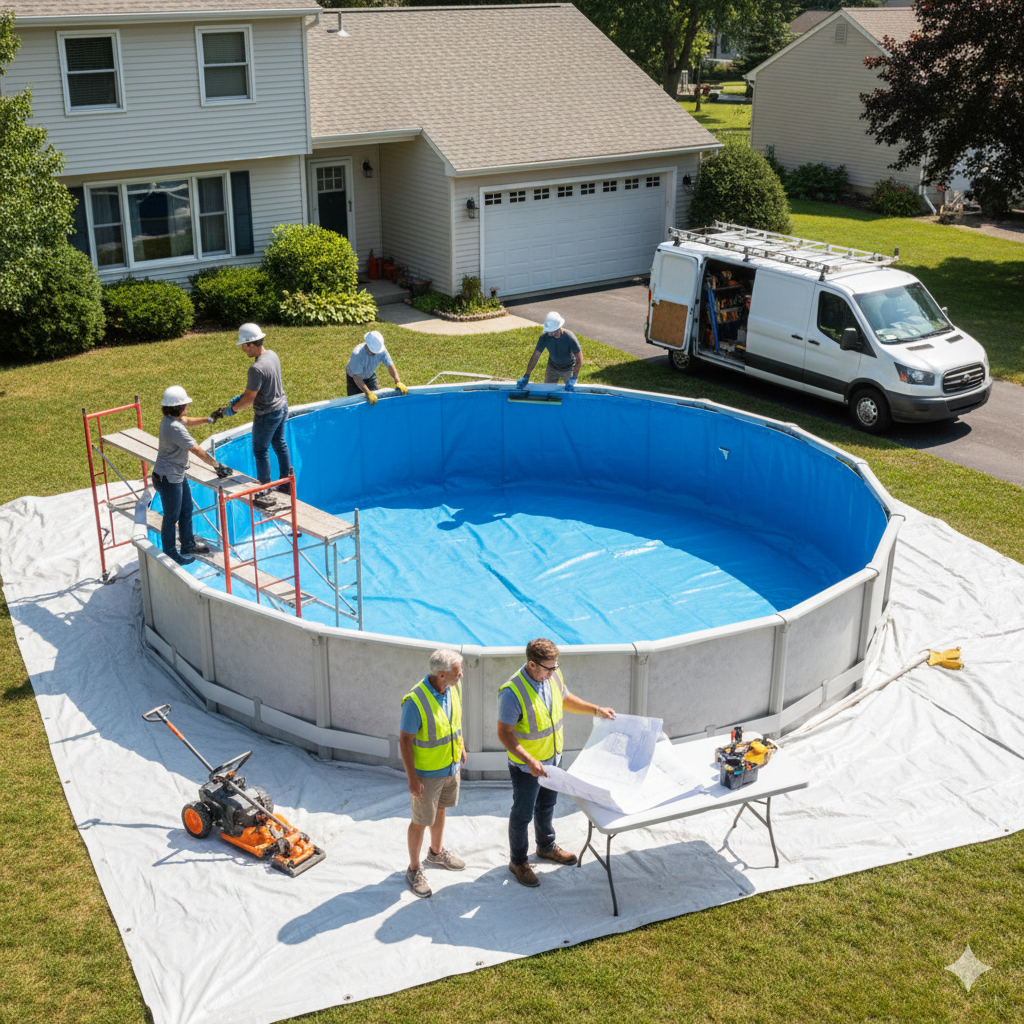
But what truly sets this park apart is the sense of community it fosters. Locals love gathering here for seasonal events and holiday celebrations, creating the type of memories that make small-town living unforgettable. Bring a snack basket, kick off your shoes, and enjoy watching your children laugh and play freely. It’s not about spending big—it’s about slowing down to appreciate life’s simple joys. Pool installation

2. Explore the Van Alstyne Farmers Market

Few things combine fun, education, and healthy living like a trip to the local farmers market. Visiting the Van Alstyne Farmers Market is more than a shopping trip—it’s an experience filled with flavors, smiles, and local charm.

Every weekend, families wander through aisles lined with homemade breads, farm-fresh vegetables, hand-poured candles, and sweets baked with love. Kids delight in sampling jams and local honey, while parents enjoy chatting with vendors who take pride in their crafts. There’s a sense of connection at this market—you know exactly where your food comes from and the people who grow it.

For parents looking to teach their children about sustainability and supporting small businesses, this outing offers valuable lessons. Bring reusable bags, encourage kids to choose their favorite fruits, and maybe let them handle a few dollars to pay—it’s real-world learning disguised as fun.

After shopping, sit down for a snack under the pavilion or grab a lemonade before heading home with your bounty. It’s experiences like this that help little ones appreciate the value of community and local living.

3. Enjoy Nature Trails and Outdoor Adventures

When the weather calls for an adventure, the natural trails and open spaces around Van Alstyne offer endless opportunities to explore. Families find tranquility and excitement in equal measure here, whether hiking, biking, or having a quiet picnic by a peaceful creek.

The Texoma area nearby boasts scenic trails surrounded by wildflowers, oaks, and rolling hills. For families with kids, these trails are beginner-friendly and safe for afternoon strolls, making them ideal for reconnecting with nature and each other. You don’t need complicated travel plans or expensive gear—just comfortable shoes and a sense of curiosity.

Outdoor time plays a vital role in children’s mental development and family bonding. Without screens or distractions, parents and kids talk more freely and listen more deeply. The gentle rhythm of a walk in nature naturally encourages conversation, laughter, and storytelling.

Don’t forget to bring along binoculars for birdwatching, or pack a camera to capture the beauty of Texan sunsets. Whether you explore once a week or once a month, these little adventures help families unplug and grow closer together.

4. Get Creative Together at Local Workshops and Art Studios

Not every family outing needs to happen outdoors. Van Alstyne has a growing arts community that encourages families to get creative together. Participating in local craft workshops or painting sessions can be both fun and surprisingly therapeutic.

Several studios in and around the area offer weekend sessions tailored to all ages. You can paint pottery, attend a family art class, or even sign up for a DIY home décor project. These workshops teach patience, inspire self-expression, and give kids a chance to see their ideas come to life in tangible form.

Art-based experiences also make wonderful gifts and keepsakes. A hand-painted mug or a family-collaborated canvas can become a cherished reminder of a day well spent. For parents who want to nurture creativity and imagination, this is a meaningful and easy-going way to spend the weekend.

The best part? You don’t need to be an artist to participate. The welcoming, laid-back atmosphere ensures everyone feels proud of their masterpiece when they leave. And sometimes, that’s all that matters—having fun, getting a little messy, and sharing smiles.

5. Plan a Weekend Movie Night Under the Stars

Turn an ordinary movie night into an extraordinary family event by hosting an outdoor screening right in your backyard. It’s one of those ideas that always delights both kids and adults, yet it’s simple to set up.

Start by hanging a white sheet or using an inflatable outdoor projector screen. Grab your projector, cue up your favorite family film, and lay out cozy blankets, cushions, and snacks. You can even add fairy lights or tiki torches for ambiance. Invite neighbors or keep it just between your family—it’s your private cinema under the open sky.

This activity combines the excitement of going out with the comfort of staying home. Kids love the novelty of watching movies outdoors, and parents enjoy the cozy environment that encourages quality bonding time. Popcorn, laughter, and blankets under the stars create memories your family will recount for years.

Hosting regular movie nights like this builds family traditions. Make it monthly or seasonal, featuring everything from classic animated films to adventure comedies. You will soon find that these nights become a highlight everyone eagerly anticipates.

6. Dive Into Backyard Fun with a Family Pool Day

Few things bring families together like a day of sunshine, splashes, and laughter in your own backyard pool. A private pool experience allows your family to turn ordinary weekends into mini vacations without ever leaving home.

Backyard pools aren’t just about cooling off—they’re the centers of connection, relaxation, and fun. Parents can enjoy peaceful floating afternoons, teens can throw pool parties, and young children can learn water safety in a safe, controlled environment. Investing time in swimming together also promotes fitness, confidence, and balance.

A family pool day can be as simple or elaborate as you wish. Bring out pool noodles, water balloons, or dive sticks for some added playfulness. Add some upbeat music, cold beverages, and tasty grilled food, and you’ve instantly created the perfect staycation vibe.

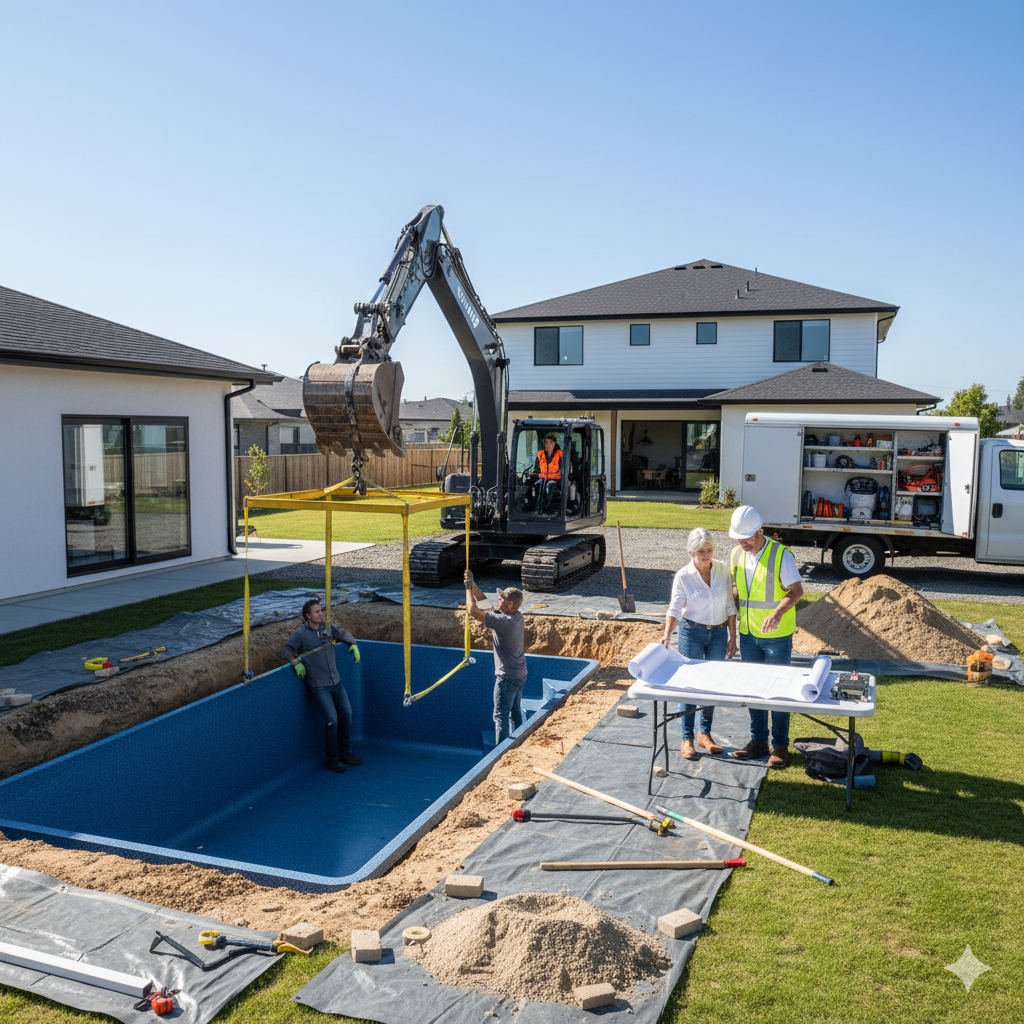
Now, when the conversation turns toward pool installation near me, many families realize it’s more than a home upgrade—it’s an investment in togetherness. Incorporating a pool can transform any backyard into a personal retreat, offering year-round enjoyment. The process of pool installation may seem intimidating at first, but once you experience how it enhances family time and property value, it becomes one of the most rewarding decisions you can make. Families who prioritize outdoor fun often find that the right pool installation aligns perfectly with their lifestyle, making every weekend feel like a holiday.

7. Support Local Eateries and Family-Owned Restaurants

Another brilliant way to enjoy time together is by exploring Van Alstyne’s cozy restaurants and food spots. Family-owned eateries here bring both comfort and flavor, serving dishes that reflect the region’s personality and charm.

Breakfast diners, barbecue joints, and small cafés are abundant, making it easy to plan weekend food tours. Sunday brunches become even more delightful when shared with family over pancakes and coffee. And for dinner, local pizzerias or home-style kitchens hit just the right note of warmth and satisfaction.

Dining out as a family isn’t only about food—it’s about togetherness. Conversations flow when the setting is casual, and nobody is distracted by dishes or chores. Kids learn table manners in real-world settings, and parents get a much-needed break from cooking.

Most local restaurants feature kid-friendly menus, making them welcoming to families of all sizes. Supporting these small businesses also contributes to your community’s economy while sharing smiles with the people who make Van Alstyne a wonderful place to live.

Make a list of your top three go-to local spots and rotate them weekend to weekend. It adds anticipation and variety while giving everyone a voice in deciding where to go next.

Making Family Time Count

The beauty of Van Alstyne living lies in its ability to blend peaceful relaxation with lively engagement. Families here never run short of opportunities to spend meaningful time together. Whether you’re walking through the park, painting at a local studio, or laughing in your backyard pool, these activities remind us that connection starts with shared experiences.

Modern life often pulls families in different directions—between work, school, and screens, it’s easy to lose sight of the moments that matter most. Setting aside time each week for activities like these helps reaffirm the bonds that make families strong.

You don’t need an expensive itinerary or faraway travel plans. The best experiences are often the simplest ones close to home—just quality time, genuine laughter, and appreciation for the people you love most.

So, take out your family calendar, pick one of the activities from this list, and start making memories. Every outing, hike, pool day, or art session adds to your family’s story, one joy-filled chapter at a time.

Why Choose DSH Homes and Pools – DFW Custom Home & Pool Builders

When it comes to creating spaces where families can relax, play, and thrive, DSH Homes and Pools – DFW Custom Home & Pool Builders turns dreams into reality. Known for excellence in design, craftsmanship, and customer satisfaction, their team works closely with homeowners to build stunning custom homes and luxury outdoor features that elevate everyday living.

If you’ve ever dreamed of adding elegance and recreation to your home through professional pool installation, DSH Homes and Pools can make that vision come true. Their experts ensure every project reflects your lifestyle, from the smallest details to the grandest finishes. When your home becomes your haven, every weekend feels like a family getaway.

With years of experience and a passion for building spaces that foster memories, DSH Homes and Pools stands out as a name families trust. From spacious home design consultations to cutting-edge outdoor transformations, they help homeowners in North Texas bring beauty and comfort together under one roof.


DSH Homes and Pools – DFW Custom Home & Pool Builders

222 Magnolia Dr, Van Alstyne, TX 75495, United States

(903) 730-6297

https://www.dshbuild.com/

Custom Home Builders Unleash the Fifth Wall: Designing Homes from the Ceiling Down.

When people think about home design, their minds usually jump to flooring, wall colors, furniture, or big windows. But one often overlooked aspect that can dramatically change the mood, function, and beauty of a space is the ceiling—the so-called fifth wall. In modern architectural practices, especially when it comes to luxury projects, custom home builders have embraced the ceiling as a new canvas. They are no longer just installing flat white planes above; they are crafting unique features that redefine how spaces look and feel.

This perspective—designing from the ceiling down—reshapes every decision in homebuilding. It’s not just about aesthetics but also about functionality, comfort, and long-term value.


The Idea of the Fifth Wall

The ceiling has historically been taken for granted. In many homes, it’s a forgotten detail, painted a standard white and left untouched. Yet, when you pay close attention, you realize the ceiling dictates mood, lighting, and even acoustics. Treating it like a design focal point rather than an afterthought transforms ordinary rooms into remarkable ones.

Custom home builders near me are leading this movement, elevating home design standards by turning ceilings into storytelling elements. They are pushing limits, integrating unique detail, lighting, height variation, and texture so that every ceiling introduces a level of personalization no wall paint could achieve.


Why Ceilings Are More Than Just Overhead Surfaces

Ceilings do more than cover the top portion of a room. They shape the tone of a space. When thoughtfully designed, ceilings create openness or intimacy, highlight architectural details, and expand lighting opportunities.

Imagine walking into a living room with a coffered ceiling: the depth and symmetry draw your eye upward while adding elegance. Or picture a bedroom with a skylight ceiling that bathes the room in natural light, offering comfort at sunrise. Each design choice impacts how people feel inside the home.

With the help of custom home builders, ceilings are evolving into dynamic, interactive features—integrating modern lighting, acoustical innovation, sustainability solutions, and even smart-home technology.


Building from the Ceiling Down

What does it mean to build from the ceiling down? Traditionally, architects and designers start by envisioning floor layouts, then erect walls, and lastly, ceilings. However, modern builders are flipping this model. They begin at the ceiling, ensuring every space uses it as the key design anchor.

For instance, vaulted ceilings can dictate the kind of furniture arrangement required. Custom lighting fixtures integrated into recessed ceilings demand specific wall designs for wiring and harmony. The ceiling layout guides the rest of the home, ensuring balance, function, and visual appeal.

This ceiling-first approach has led DSH Homes and Pools – DFW Custom Home & Pool Builders to stand out in their projects. Their work shows how powerful this design philosophy is by making every home feel well-orchestrated and coherent.


Materials and Textures Redefining Ceilings

Innovations in ceiling design rely heavily on material choices and textural variations. Gone are the days of smooth, painted drywall. Instead, homeowners now see ceilings built with:

  • Wood paneling that creates warmth and elegance.
  • Beamed ceilings that lean into rustic charm or modern farmhouse aesthetics.
  • Metallic accents that bring futuristic luxury into dining or entertainment areas.
  • Plaster moldings for timeless sophistication.
  • Stone or brick features that extend the outdoors inside.

Each material builds a different story. When custom home builders incorporate them thoughtfully, ceilings elevate both visual value and home appraisal value. It’s art meeting utility right above your head.

Lighting: The Ceiling’s Greatest Ally

Ceilings define lighting—and lighting defines atmosphere. A room’s brightness, softness, and focal points all start from above.

Recessed lighting, pendant fixtures, chandeliers, or LED strips set into drywall add different tones and moods. Ceiling-integrated lighting also improves energy efficiency by distributing brightness evenly, reducing shadows, and saving costs.

Custom home builders increasingly experiment with layered lighting—an approach where base lighting, accent lighting, and task lighting blend seamlessly. The ceiling becomes a hub that unlocks versatility: bright enough for family gatherings, dim enough for movie nights, and warm enough for relaxation.


Smart Ceilings for Smarter Living

Technology integration has taken ceilings into the realm of smart living. Automated skylights, starlight LED arrays, built-in speakers, and HVAC systems concealed within the ceiling enrich comfort without sacrificing style.

Ceilings are no longer passive structures; they are embedded with technology that controls climate, light, and sound. This transforms homes into efficient ecosystems. Smart-home systems hidden in the ceiling maintain sleek interiors while offering ultimate functionality.


Ceilings that Define Space

Open-concept layouts dominate modern houses, but ceilings are essential in defining separate zones. Instead of erecting physical barriers, custom home builders Van Alstyne tx use ceiling variations to mark spaces.

For example:

  • A recessed ceiling can distinguish the dining area from the living room.
  • Rich textures above the kitchen can emphasize its importance in an open floor plan.
  • Subtle height differences create psychological separation between lounge and play zones.

Here, ceilings act as invisible architecture, shaping flow and defining living experiences.


Acoustics and Comfort

Sound behavior in a room is influenced heavily by ceilings. A large vaulted ceiling creates echoes, while a coffered one softens noise. Acoustic-friendly designs improve home life, especially when paired with integrated sound systems.

Custom home builders understand how ceiling shape and material can reduce sound transfer between floors, making homes quieter and more private. This makes ceiling design just as functional as it is aesthetic.


Timelessness Versus Trendy Ceilings

One of the biggest design decisions homeowners face is choosing between timeless elegance and modern trends. Ceilings can do both:

  • A clean tray ceiling with classic white moldings never goes out of style.
  • On the other hand, bold ceilings with metallic paints, geometric insets, or unexpected materials can captivate today’s design-savvy homeowners.

Custom home builders guide clients through these decisions, balancing personal style with long-term value. The flexibility of ceiling design ensures that a home’s heart feels both current and enduring.


Sustainable Ceiling Design

Green living now extends to ceilings. Builders use reclaimed wood, eco-friendly finishes, and skylight integration to reduce reliance on artificial light. Thermal insulation built into ceilings saves energy costs long-term.

This reflects how ceilings, once decorative, have become problem-solving features. They support both environmental responsibility and financial savings through sustainability in construction.


Pools and Outdoor Integration

Just as ceilings elevate interior spaces, their principles extend outdoors. Poolside cabanas, shaded lounges, and patio extensions gain sophistication with overhead treatments. Designous ceilings outdoors—such as wood planks or fabric coverings—tie into the overall home design seamlessly.

DSH Homes and Pools – DFW Custom Home & Pool Builders frequently carry ceiling-down philosophies into pool designs, merging indoor and outdoor experiences into one continuous story.


The Role of Custom Home Builders

Custom home builders bring more than construction—they bring vision. By integrating ceilings as pivotal spaces, they transform entire properties. These professionals know how a well-designed ceiling doesn’t just add beauty, but maximizes layout, comfort, and technology integration.

For homeowners, working with custom home builders means access to expertise that treats ceilings as design priorities, not afterthoughts. Custom home builders factor in acoustics, lighting, height perception, and sustainability to ensure each project reflects personal lifestyle needs. With the right guidance from custom home builders, a home becomes more than walls and floors—it becomes an immersive living experience crafted from the ceiling down.

Why Choose Us

At DSH Homes and Pools – DFW Custom Home & Pool Builders, we believe every home deserves visionary detail from the ceiling down. By treating ceilings as essential design elements, we create spaces that are elegant, functional, and timeless. Our approach ensures homes are not just built but crafted as immersive experiences where every detail matters.


DSH Homes and Pools – DFW Custom Home & Pool Builders

222 Magnolia Dr, Van Alstyne, TX 75495, United States

(903) 730-6297

https://www.dshbuild.com/

Can I Add a Spa or Water Features Later? Understanding Your Options and Timing

Pool design involves countless decisions, and many homeowners wonder whether they need to include every desired feature immediately or can add elements over time as budgets allow.

Yes, you can add spas and water features to existing gunite pools, but retrofitting these elements after construction costs significantly more than including them during initial building. Adding features later requires excavation near the finished pool, cutting into cured concrete, installing new plumbing lines, and matching finishes that may have aged or been discontinued. Planning comprehensively during the design phase delivers better integration and value.

Why Initial Installation Makes Financial Sense

The cost difference between including features during construction versus adding them later often surprises homeowners.

During initial construction, all infrastructure is accessible. Plumbing trenches are open, equipment pads can accommodate additional components, and the site already has heavy machinery present. Adding a spa or waterfall requires minimal additional effort when crews and equipment are already mobilized.

Retrofit projects require duplicating many costs. You’ll pay for mobilization again, excavation near the completed pool (risking damage), concrete cutting and coring, new plumbing installation through finished landscapes, electrical upgrades, and finish matching. These duplicated expenses often make retrofits cost multiples of what initial installation would have been.

Finish matching becomes problematic. Even if the same product line remains available, pool finishes age and change appearance over time. New sections rarely blend seamlessly with existing surfaces, creating visible transitions that detract from the integrated appearance.

Features Best Included During Initial Construction

Certain additions integrate most effectively when planned from the beginning.

Attached spas share walls with the main pool, creating structural connections that are extremely difficult and expensive to add later. The shared plumbing, heating systems, and spillover edges require design coordination throughout the pool structure. Retrofitting an attached spa essentially means building a separate spa adjacent to the pool—losing the integrated aesthetic and efficiency of shared systems.

Raised water features like spillover walls, scuppers, or elevated spa edges require structural support built into the pool shell. Adding these later involves extensive engineering and structural modifications that may not even be feasible depending on the existing pool design.

In-pool features including tanning ledges, beach entries, benches, or swim-outs are integral to the pool shape and structure. These cannot be added without essentially rebuilding portions of the pool—a prohibitively expensive proposition.

Deck jets and bubblers that shoot water into the pool from surrounding decks require plumbing lines run before concrete decking is poured. Retrofitting means cutting through finished decking, installing lines, and repairing concrete—visible repairs that compromise the finished appearance.

Features More Feasible to Add Later

Some enhancements retrofit more successfully than others, though none achieve the seamless integration of initial installation.

Freestanding water features like separate spillover walls, urns, or decorative fountains positioned away from the pool can be added with less disruption. These self-contained features don’t require cutting into the pool structure, though they still need dedicated plumbing and electrical runs.

Lighting upgrades are relatively straightforward if your builder installed conduit during construction. Adding lights to existing empty conduit is manageable. Without pre-installed conduit, running new lines requires significant concrete cutting or creative routing.

Heating systems can be added to existing pools if equipment pad space and electrical capacity exist. Installation involves plumbing connections at the equipment area rather than structural pool modifications.

Automation and control systems upgrade easily in most cases, adding convenience features like remote control, automated chemistry management, or scheduling without major construction.

The “Rough-In” Strategy: Planning for Future Additions

Smart builders and homeowners use rough-in strategies that make future additions more feasible and affordable.

Stub-out plumbing lines extend beyond the pool structure during construction, capped and ready for future connection. This approach costs minimally during initial building but provides infrastructure for water features you may add later. Discuss potential future additions with your builder so they can stub appropriate lines.

Install extra conduit for future lighting or equipment even if you’re not ready to purchase the fixtures immediately. Empty conduit costs little during construction but saves extensive concrete cutting later.

Size equipment appropriately for potential future additions. A heater, pump, and filter sized for the current pool plus a future spa costs modestly more upfront but eliminates equipment replacement when you expand.

Allocate equipment pad space for future components even if not installed immediately. Expanding equipment areas after landscaping is complete requires disturbing finished work.

Document rough-in locations carefully. Photograph and measure stubbed lines, conduit locations, and infrastructure before decking installation. These records prove invaluable when contractors need to locate connections years later.

Real Cost Comparisons: Initial vs. Retrofit

Understanding the financial implications helps with decision-making during the design phase.

Attached spa during construction integrates seamlessly with shared equipment, plumbing, and structure. Adding a spa after completion requires essentially building a second separate pool with its own systems—the integrated efficiency and aesthetic are lost.

Deck jets during construction involve running plumbing lines before decking is poured, adding modest material and labor costs. Retrofitting requires sawcutting finished concrete, installing lines, and patching—labor-intensive work that costs multiples of initial installation while leaving visible repairs.

Waterfalls during construction utilize the same excavation, steel framework, and gunite application as the main pool. Adding later requires separate excavation, new structural framework, plumbing installation through finished landscapes, and finish application that must somehow integrate with aged pool surfaces.

The pattern is consistent: initial installation costs a fraction of retrofit projects while delivering superior integration and appearance.

Red Flags: Retrofit Proposals to Question

If you’re considering adding features to an existing pool, certain warning signs suggest problematic approaches.

Proposals that don’t address finish matching or claim new plaster will “blend perfectly” with aged surfaces should raise concerns. Be realistic about visible transitions and discuss whether full pool resurfacing makes sense when adding major features.

Lack of structural engineering for significant additions like raised walls or heavy rock features indicates inadequate planning. Verify that proposals include appropriate structural analysis and support.

Vague timelines or “we’ll figure it out as we go” approaches suggest contractors unfamiliar with retrofit complexity. Quality contractors provide detailed plans addressing how they’ll manage each challenge.

Unwillingness to provide references from similar retrofit projects indicates limited relevant experience. Adding features to existing pools requires different expertise than new construction.

Making the Decision: Now or Later?

Several factors help determine whether to include features initially or plan for future additions.

If your budget is genuinely constrained, prioritize the pool shell with adequate infrastructure rough-ins for future features. This approach costs slightly more than building without provisions but makes future additions far more feasible.

If you’re uncertain about specific features, consider whether rough-in provisions provide adequate flexibility. You might not know whether you want a specific waterfall design, but stubbing a line for future water features costs minimally and preserves options.

If you’re planning to stay in your home long-term, include desired features during initial construction. The integrated results and cost savings over retrofit projects justify the higher upfront investment.

If resale is a near-term possibility, focus on universally desirable features during construction and skip highly personalized additions that may not appeal to future buyers.

Bottom Line: Plan Comprehensively from the Start

While technically possible to add features later, the financial and aesthetic advantages of comprehensive initial planning are substantial. Features included during construction integrate seamlessly, cost significantly less, and avoid the finish-matching challenges that plague retrofit projects.

Invest time during the design phase envisioning how you’ll use the pool for years to come. Include features that align with your long-term vision, or at minimum, rough-in infrastructure that makes future additions more viable. The modest incremental cost during construction saves multiples of expense compared to retrofit projects.

Your Next Steps

Designing your pool and unsure which features to include now versus later? Contact DSH Homes and Pools to discuss your vision, budget parameters, and options for both immediate installation and rough-in provisions for future additions. Their experienced design team helps you make strategic decisions that balance current budgets with long-term goals—ensuring your pool delivers maximum value and enjoyment throughout ownership.

Are Gunite Pools More Expensive Than Fiberglass or Vinyl? Understanding the Investment

When comparing pool construction methods, initial investment represents a major decision factor for most homeowners. Understanding not just upfront expenses but total long-term value helps you make informed choices that align with your property goals and budget reality.

Yes, gunite pools typically cost more upfront than fiberglass or vinyl-lined alternatives due to the custom construction process, premium materials, and skilled labor required. However, gunite pools offer superior durability, unlimited customization, longer structural lifespan, and typically add more resale value to properties—factors that often justify the premium investment for homeowners planning long-term ownership.

Breaking Down the Cost Differences

Understanding why gunite pools cost more helps you evaluate whether the additional investment aligns with your priorities.

Gunite construction is inherently custom and labor-intensive. Every pool is built from scratch on your property using skilled crews who excavate, install steel frameworks, pneumatically apply concrete, and hand-finish surfaces. This craftsmanship-driven process requires more time and expertise than installing pre-manufactured alternatives.

Material quality and quantity differ significantly. Gunite pools use substantial amounts of steel reinforcement and concrete that provide structural integrity lasting 50+ years. This material investment exceeds the lighter-weight structures required for fiberglass shells or vinyl-lined pools.

Site preparation and engineering complexity often run higher for gunite construction. Custom designs may require extensive excavation, special engineering for slopes or soil conditions, and detailed plans that simpler pool types don’t necessitate.

Equipment and finish options for gunite pools typically include premium choices. While you can select economical finishes, most gunite buyers invest in higher-quality surfaces like pebble or aggregate that enhance both appearance and longevity.

Comparing Construction Methods: What You Get at Each Level

Understanding the fundamental differences between pool types clarifies the value proposition of each option.

Vinyl-lined pools use metal, plastic, or composite wall panels topped with a vinyl liner. These represent the most economical option for basic swimming pools. Liners require replacement every 7-10 years, structural components last 20-30 years, and customization is limited to available panel configurations. They suit budget-conscious homeowners seeking basic swimming functionality.

Fiberglass pools arrive as pre-manufactured shells transported to your property and set into excavated holes. Mid-range in terms of investment, they offer faster installation (often 2-3 weeks total), smooth non-porous surfaces requiring less maintenance, and decent longevity. However, size limitations, transportation constraints, and fixed shapes restrict customization significantly.

Gunite pools provide unlimited customization, premium durability, 50+ year structural lifespan, and the ability to create truly unique designs matching your exact vision. They require the highest initial investment but deliver corresponding quality and longevity that often justifies the premium.

Long-Term Value Considerations Beyond Initial Investment

Smart homeowners evaluate total ownership value rather than focusing solely on upfront expenses.

Structural longevity dramatically affects long-term value. Gunite pools lasting 50-100 years amortize their cost over decades. Vinyl-lined pools needing liner replacement every decade and eventual structural replacement after 25-30 years accumulate ongoing expenses. When calculating cost-per-year of ownership, differences narrow considerably.

Resale value implications vary by market. In premium neighborhoods where buyers expect quality construction, gunite pools typically add more property value than alternative types. Real estate professionals consistently note that discerning buyers pay premiums for permanent, well-built gunite installations versus temporary or lower-quality alternatives.

Maintenance costs differ over time. While gunite pools require regular finish renewal every 10-20 years, vinyl pools need liner replacement more frequently. Fiberglass gel coat refinishing, while infrequent, costs substantially when needed. Total maintenance expenses over 30-40 years often balance out across pool types.

Energy efficiency considerations affect ongoing costs. Well-designed gunite pools with modern equipment operate as efficiently as other types. The thermal mass of concrete can actually help maintain temperatures better than lighter-weight alternatives in some climates.

Customization Value: When It Matters Most

The premium you pay for gunite construction buys design freedom that other methods cannot match.

If your vision requires specific shapes, depths, or integrated features, gunite may be your only viable option. Fiberglass shells come in fixed configurations—if none match your needs, that “savings” becomes irrelevant. Vinyl pools offer more flexibility than fiberglass but still face constraints that gunite doesn’t encounter.

Challenging sites often necessitate gunite construction. Slopes, tight access areas, irregular lot shapes, or integration with existing structures may be impossible with pre-manufactured shells. The custom nature of gunite construction solves problems other methods cannot address.

Luxury features like vanishing edges, perimeter overflow systems, elaborate water features, or architectural integration require the engineering flexibility and structural capabilities that gunite provides. These high-end designs justify premium construction methods.

Standard rectangular pools for basic swimming may not require gunite’s capabilities. If your needs are straightforward and customization isn’t important, more economical options might serve you adequately.

Red Flags: When Lower Prices Indicate Problems

Not all cost differences reflect legitimate construction method variations. Watch for warning signs suggesting quality issues rather than simply alternative approaches.

Gunite proposals significantly below market rates often indicate inadequate steel reinforcement, insufficient concrete thickness, inexperienced crews, or shortcuts during critical phases like curing. These savings disappear when structural problems emerge years later.

Pressure to choose the cheapest option without discussing your specific needs, site conditions, or long-term goals suggests contractors prioritizing quick sales over appropriate solutions.

Lack of transparency about what cost differences reflect—materials, labor, finish quality, or warranty coverage—makes informed comparison impossible.

Unwillingness to provide detailed specifications including steel placement patterns, concrete thickness, finish types, and equipment quality prevents meaningful evaluation of whether proposals represent comparable value.

Hidden Costs That Affect Total Investment

Smart comparisons account for expenses beyond the basic pool structure that affect your total investment.

Site preparation costs vary by property condition, access, and soil quality regardless of pool type. Rocky soil, poor drainage, or challenging access affect all construction methods. Don’t attribute these universal costs to specific pool types.

Deck and coping expenses apply to all pool types but may vary based on available options and installation complexity for different methods.

Equipment quality impacts long-term satisfaction and operating costs across all pool types. Ensure comparisons include equivalent pumps, filters, heaters, and automation systems rather than mixing premium equipment in one proposal with basic components in another.

Permits, engineering, and inspection fees apply universally, though complex custom designs may require more extensive engineering documentation.

Landscaping restoration after construction affects all methods, with variations based more on site conditions and contractor practices than pool type.

Making the Decision: Aligning Investment with Goals

Several factors help determine whether gunite’s premium investment makes sense for your situation.

Long-term homeownership favors gunite construction. If you’re building your forever home or planning 15+ years of ownership, the superior longevity and customization of gunite pools delivers value that justifies higher initial investment.

Property value considerations matter in premium markets. High-end neighborhoods where pools are expected amenities benefit from quality gunite construction that appeals to discerning buyers. In markets where pools represent unusual additions, construction method matters less for resale.

Specific design requirements may necessitate gunite regardless of cost. If your vision, site conditions, or functional needs exclude pre-manufactured alternatives, comparing costs becomes less relevant than achieving your goals.

Budget constraints are legitimate considerations. If financial limitations make gunite construction unrealistic, a well-built vinyl or fiberglass pool provides swimming enjoyment at accessible investment levels. Having a more economical pool beats not having a pool at all.

Alternative Approaches to Managing Investment

Creative strategies help manage costs while achieving quality results.

Phased construction allows building the pool shell now with basic finishes and equipment, then upgrading features, automation, or surrounding amenities as budgets allow. Ensure initial construction includes rough-in provisions for future additions.

Value engineering during design identifies cost-saving modifications that don’t compromise core quality. Perhaps a slightly smaller pool, simpler shape, or economical finish reduces investment while maintaining structural integrity and longevity.

Timing considerations affect costs. Building during slower seasons may yield better pricing. Avoid peak summer months when contractors are busiest and least flexible on pricing.

Multiple detailed proposals from reputable builders help identify market rates and ensure you’re comparing equivalent quality levels rather than just seeing the lowest number.

Bottom Line: Investment Reflects Priorities

Gunite pools cost more initially because they deliver superior customization, longevity, and property integration. This premium investment makes sense for homeowners valuing design freedom, planning long-term ownership, and seeking permanent property improvements that enhance both lifestyle and resale value.

Alternative construction methods serve different needs and budgets appropriately. The “best” choice depends on your specific circumstances, priorities, and how you’ll use the pool over time. Honest assessment of these factors guides you toward the option delivering optimal value for your situation.

Your Next Steps

Ready to understand how different pool construction methods align with your property goals and budget reality? Contact DSH Homes and Pools for transparent consultation on gunite construction value, customization possibilities, and how this investment fits your long-term property plans. Their experienced team provides detailed proposals with clear specifications—helping you make confident decisions about this significant home improvement investment.